 USD
USD
 EUR
EUR
 AUD
AUD
 GBP
GBP
 SGD
SGD


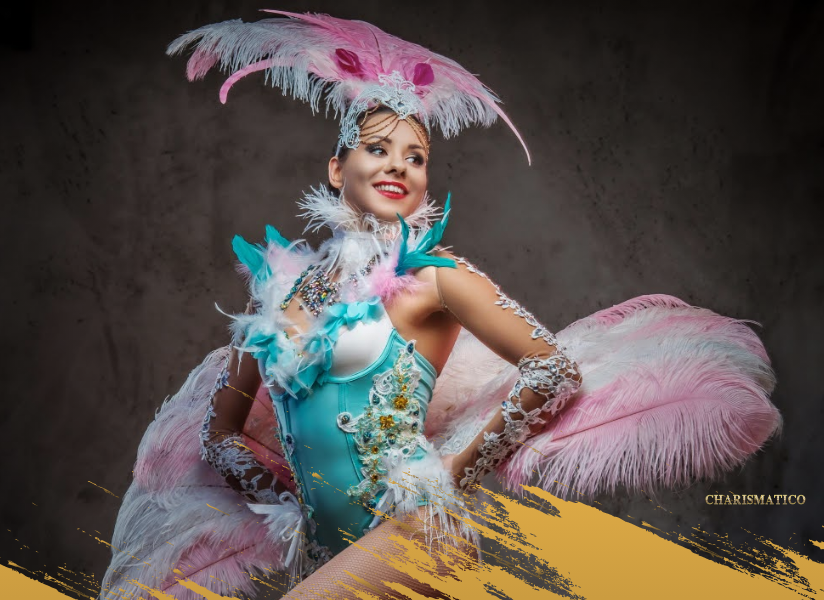
The Evolution of Samba Outfits from Tradition to Stage Spectacle
Many dancers admire samba costumes but worry they have become all sparkle and no substance. It’s easy to assume today’s feathered, high-shine looks have drifted far from their roots. In reality, modern samba outfits still carry the rhythm, symbolism, and movement that defined the earliest Carnival traditions. The spectacle you see on stage did not replace tradition. It grew from it.
In this article, we explore how samba costumes evolved from practical street wear into powerful performance pieces. We’ll look at how materials, silhouettes, color, and movement changed over time, and why those changes mattered. By understanding this journey, it becomes easier to choose or appreciate a samba outfit that feels authentic, expressive, and made for the stage.
The Cultural Roots of Traditional Samba Costumes
Samba’s Origins in Brazilian Carnival
Samba began in the streets. It belonged to the community before it ever reached a stage. Early dancers needed freedom, not spectacle, so costumes were built to move easily through long parades and crowded celebrations.Fabric was light. Shapes were simple. The focus stayed on rhythm and expression rather than decoration. What mattered most was how the body responded to the music.
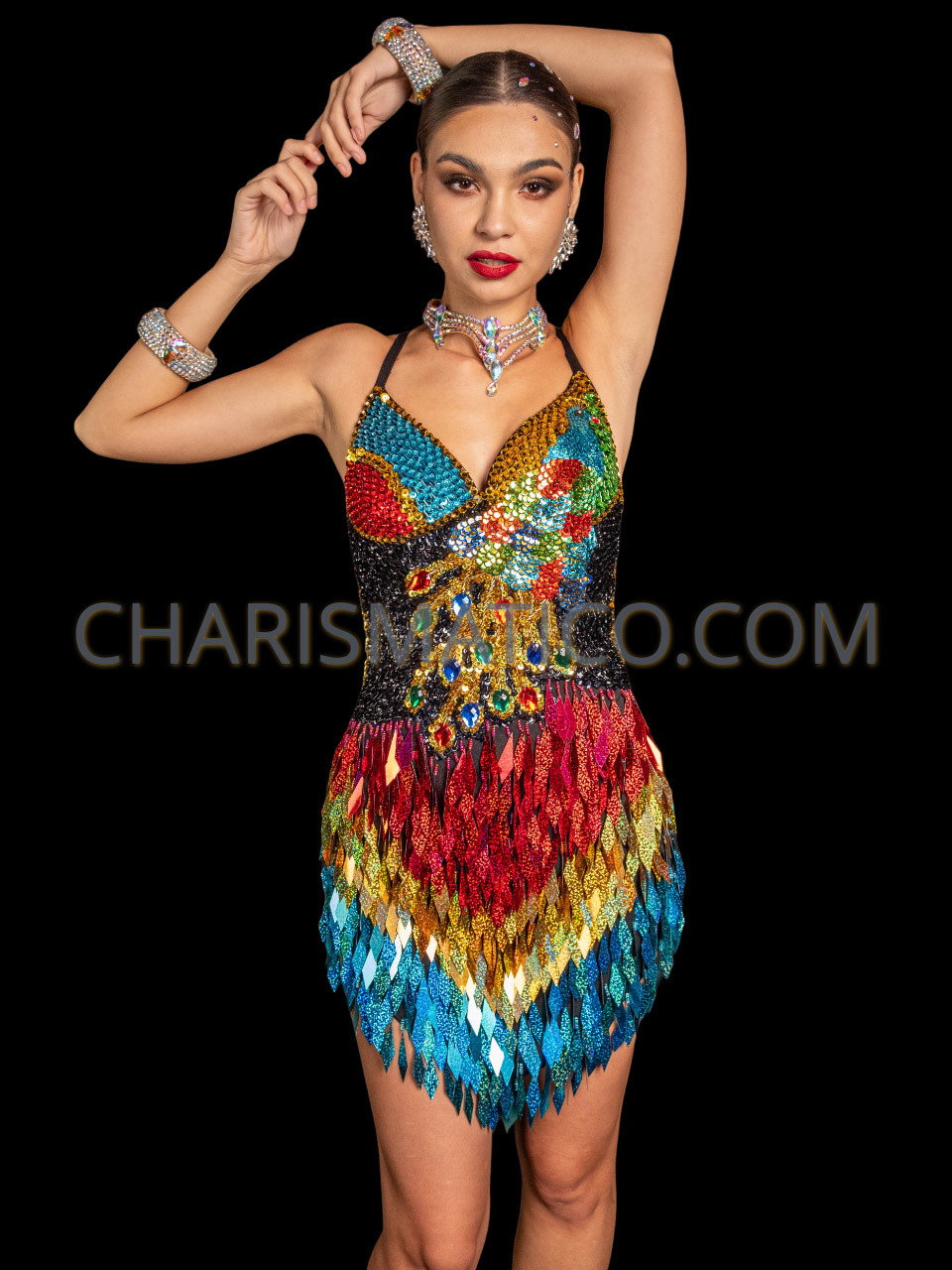
At Charismatico, we have a large collection of Samba outfits
Peacock plumage sequin samba dance dress
Materials Used in Early Samba Looks
Early samba outfits favored practicality. Natural fibers allowed airflow in hot weather. Minimal adornment kept dancers agile. Feet often stayed bare, connecting movement directly to the ground. Nothing was designed to overpower the dance itself. The costume existed to support motion, not compete with it.
Color and Meaning
Color still played an important role. Bright tones reflected joy, resilience, and celebration. Each samba school developed its own visual identity, using color to represent pride and unity. These early choices laid the foundation for the vibrant samba costumes we recognize today, where color remains inseparable from performance and emotion.
How Performance Changed Samba Costume Design
From Street to Stage
As samba moved beyond neighborhood parades, the audience grew. Stages became larger. Distances widened.Costumes had to speak louder without a single word. Shapes expanded. Colors intensified. Details became bolder so movement could be seen from far away. What once worked up close needed new energy under lights and across crowds.
The Rise of Showgirl Influence
The shift was gradual, then unmistakable. Cabaret and theatrical dance left their mark. Feathers climbed higher. Sequins appeared. Silhouettes sharpened. Samba costumes began to celebrate the body in a new way, highlighting lines, posture, and rhythm. This era laid the groundwork for the expressive samba outfits we see today, where drama and dance work side by side.
Movement as a Design Priority
Even as costumes became more elaborate, movement stayed at the center. Designers used fringe, plumes, and reflective surfaces with intention. Each element reacted to the beat.
- Fringe emphasized hip movement.
- Feathers expanded turns and spins.
- Shimmer caught the rhythm of light and motion.
The Evolution of Silhouettes and Structure
From Flowing Shapes to Defined Forms
Early samba looks followed the body without controlling it. Fabric moved freely. Lines stayed soft. As performances grew larger, silhouettes became clearer. Bodysuits appeared. Belts shaped the waist. Structure helped the audience read movement from a distance. The dance stayed fluid, but the outline became intentional. This shift marked the moment samba costumes started to feel sculpted rather than simply worn.

Example of one of Samba leotards with flowing design and glamor
Green oval sequin Samba carnival g-string leotard
Headdresses and Vertical Drama
Height changed everything. Modest headpieces evolved into feathered crowns that extended the dancer’s presence upward. Vertical lines made performers visible across wide stages and parade routes. Feathers added lift. Balance became essential. A well-built headdress enhanced posture and amplified turns without pulling focus away from the rhythm.
Wings, Backpieces, and Scale
Scale entered the conversation. Costumes expanded outward as well as upward. Backpieces and wings created width, framing the dancer like moving architecture. These elements transformed spins into full visual events. Modern samba costumes often use wings to turn a single performer into a focal point, proving that structure can magnify movement without restricting it.
Materials That Transformed Samba Into Spectacle
The Introduction of Sequins and Metallics
When samba stepped fully onto the stage, fabric had to respond to light. Sequins changed everything. Metallic surfaces caught spotlights and streetlights alike, turning simple steps into flashes of brilliance. Costumes no longer relied only on color. They reflected movement. A turn became brighter. A pause still shimmered. This shift helped samba visuals stay powerful even in large venues.
Feathers as a Movement Tool
Feathers were never just decoration. They became motion amplifiers.Ostrich plumes softened sharp movements. Coque feathers added structure and definition. Marabou introduced volume without weight. Each type played a role in how the costume reacted to rhythm. In many modern samba costumes, feathers extend the dancer’s energy outward, making every step feel larger than life.

At Charismatico, we offer a range of ostrich plume attire
Sky blue ostrich plumes with crystal accent diva's cabaret costume set
Stretch Fabrics and Comfort
As designs grew more complex, comfort had to keep up. Stretch fabrics like Lycra allowed costumes to fit securely while supporting fast, repetitive movement. Dancers could jump, spin, and travel without restriction. This balance between spectacle and wearability is what allows samba outfits to look daring while still feeling practical for performance.
Color, Power, and Visual Impact in Modern Samba
Bold Palettes That Command Attention
Modern samba costumes do not fade into the background. They announce themselves. Strong color contrasts help dancers stand out against busy stages and moving crowds. Bright blues, fiery reds, electric pinks, and metallic golds dominate because they hold their intensity under lights. Color becomes part of the choreography. It moves. It pulses. It reacts to every step.
Symbolism Still Matters
Even as samba costumes became more theatrical, meaning never disappeared.Colors still express confidence, celebration, and strength. Gold suggests power and triumph. Saturated tones signal energy and joy. Performers often choose colors that reflect the mood they want to project, not just what looks dramatic. A well-chosen palette supports the story of the dance without a single spoken word.
Lighting Changes Everything
Stage lights reshape color. Matte fabrics absorb light and feel deeper. Metallics bounce it back, creating flashes that travel across the stage. Designers plan for this interaction. A costume that looks subtle offstage may come alive under spotlights. This awareness is what separates everyday dancewear from samba costumes built for spectacle.
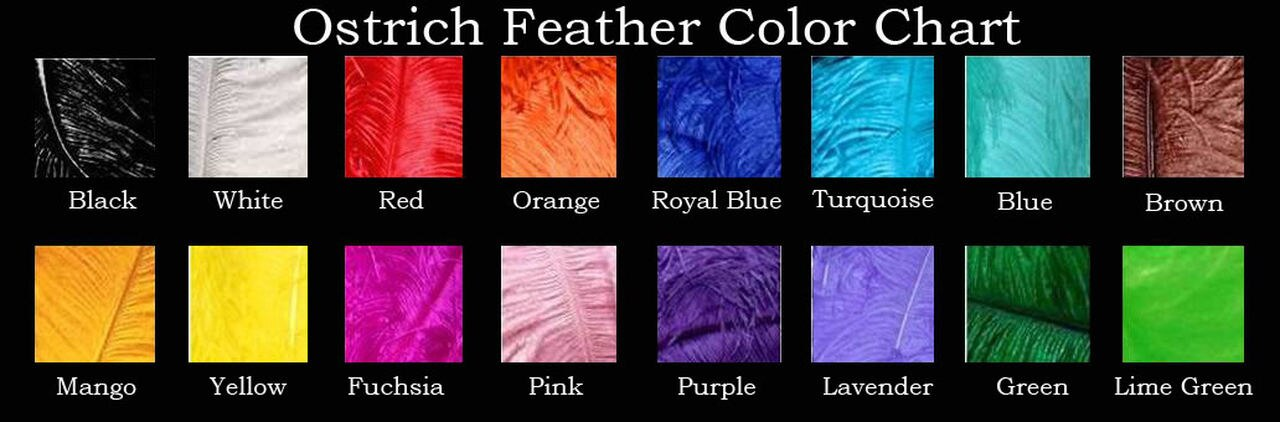
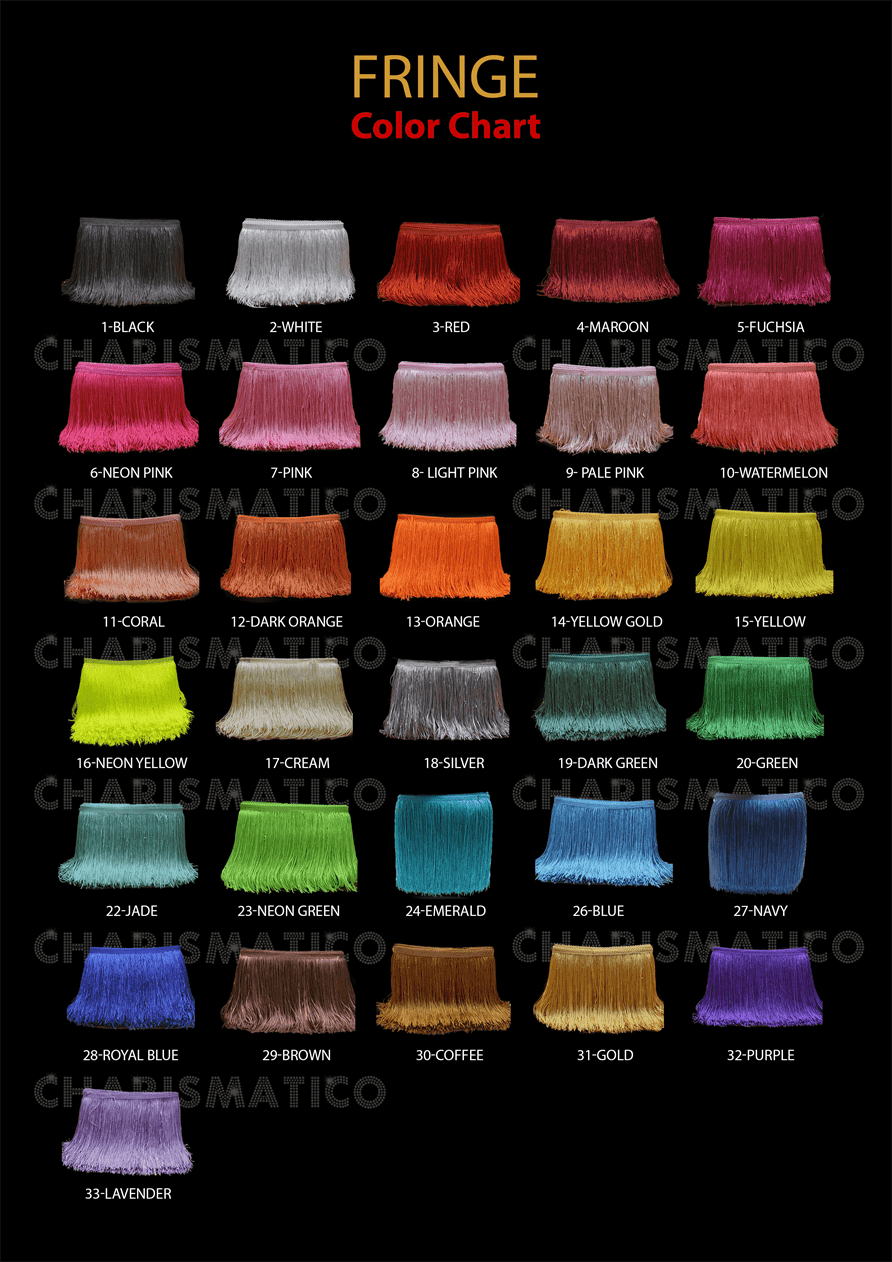
At Charismatico, we have a large range of colors available in our diverse collection; suitable for any fabulous occasion
Charismatico color charts for ostrich feathers and fringe outfits
Samba Costumes Today: Performance Meets Craft
Balancing Tradition and Innovation
Modern samba costumes sit at an interesting crossroads. They honor tradition while embracing creativity. Designers keep the essence of samba alive through movement, rhythm, and expressive color, yet they experiment with new shapes and finishes. The result feels familiar and fresh at the same time. Nothing is added without purpose. Every feather, every sequin, every strap must earn its place.
Costumes Built for Today’s Performers
Today’s dancers demand more from their outfits. Performances are longer. Choreography is faster. Travel is constant. Costumes now need strength as much as beauty. Reinforced construction supports repeated use. Lightweight frames reduce fatigue. Secure fits allow dancers to focus on expression instead of adjustment. This evolution has made samba costumes reliable tools, not just visual statements.
Inspiration from Contemporary Designs
Looking at modern stage pieces shows how far samba costumes have come. Many current designs blend high drama with thoughtful engineering, allowing freedom without sacrificing impact. For performers exploring today’s styles, our guide to samba dance costumes offers insight into how contemporary looks reflect both heritage and performance needs.
From Rhythm to Radiance
Samba costumes have always followed the music. What began as practical, movement-led dress evolved into bold visual storytelling shaped by stages, lighting, and performance scale. Feathers grew taller. Colors became louder. Structure sharpened silhouettes. Yet the heart of samba never changed. Movement still leads, and the costume exists to amplify it.
Today’s samba outfits blend tradition with craftsmanship, honoring cultural roots while meeting modern performance demands. Understanding this evolution makes it easier to choose pieces that feel expressive, comfortable, and powerful on stage. Charismatico outfits reflect this balance, combining heritage, movement, and spectacle in designs made for today’s performers.
What to Remember Before You Dance
- Samba costumes evolved to serve performance, not replace tradition.
- Structure and scale increased as samba moved from street to stage.
- Feathers, sequins, and metallics amplify movement and visibility.
- Stretch fabrics made spectacle possible without limiting motion.
- Color and silhouette work together to tell the story of the dance.
- The best samba costumes feel bold, balanced, and made to move.